Stagnation made in Germany: why Europe's largest economy stalled
Two years of contraction, high inflation, weak industry: a data-driven analysis of the German economy since 2022, drawing on the Bundesbank, ifo and the German Council of Economic Experts.
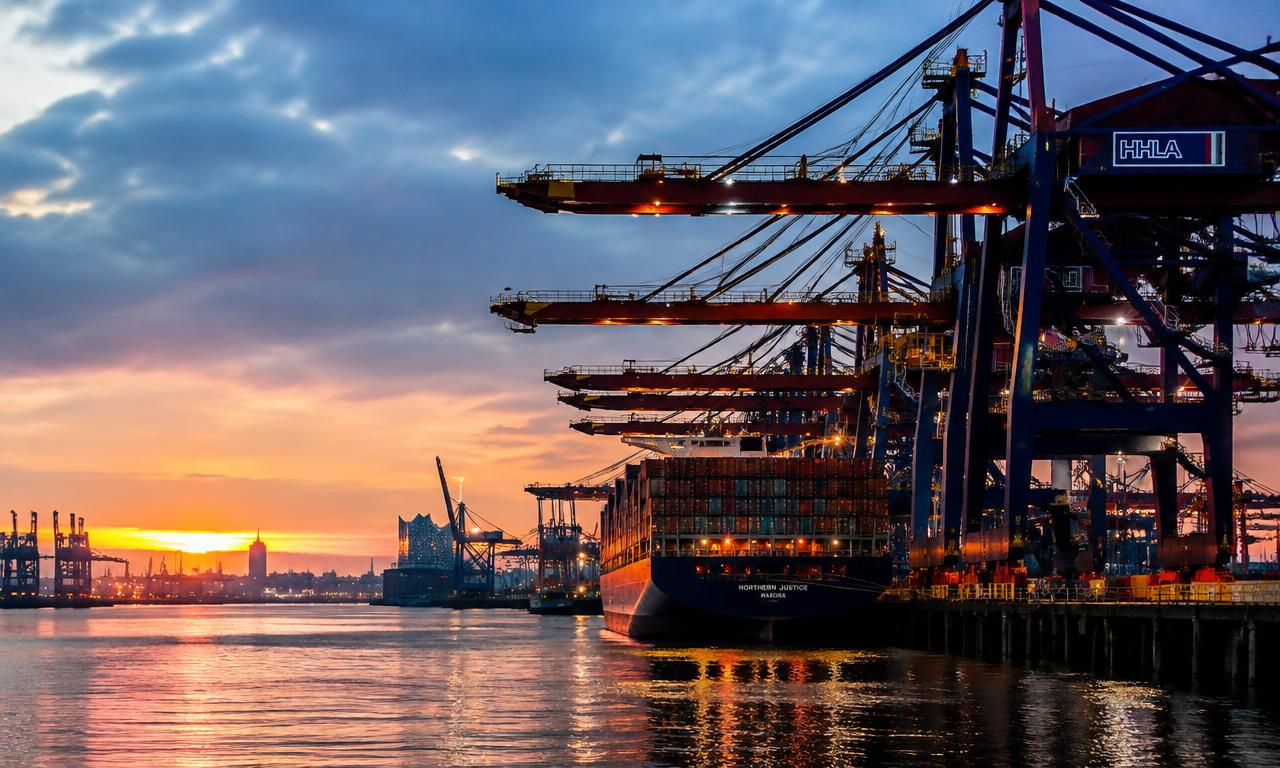
Germany long served as Europe's growth engine. Since 2022 the picture has changed: according to Destatis, price-adjusted GDP fell by 0.3 percent in 2023 and 0.2 percent in 2024. Two consecutive years of contraction last occurred in the early 2000s.
Inflation eroded purchasing power
Consumer prices rose by an annual average of 6.9 percent in 2022 and 5.9 percent in 2023, Destatis reports. Only in 2024 did inflation normalise at 2.2 percent. Because wages initially lagged, real wages fell markedly in 2022, weighing on private consumption.
Industry as the weak spot
Output in industry stayed below pre-crisis levels for much of the period. Causes include high energy costs, weak demand from China, structural change in the car industry and higher financing costs. The ifo business climate signalled depressed sentiment for long stretches, especially in manufacturing.
Structural brakes
The German Council of Economic Experts has repeatedly pointed to structural problems in its annual reports: an ageing workforce and skills shortages, weak investment, gaps in digitalisation and public infrastructure, and high red-tape costs. Potential growth is now estimated to be low.
International comparison
In the IMF's World Economic Outlook, Germany performed worse in 2023 and 2024 than most other large advanced economies. The US saw much stronger growth over the same period, supported by consumption and public investment programmes.
A surprisingly stable labour market
Despite the weakness, the labour market remained comparatively robust, with employment at times reaching record highs. Unemployment did, however, edge up from 2023, and many industrial firms announced job cuts.
Policy responses
Policymakers responded with the Growth Opportunities Act (2024) and – after the February 2025 federal election – with a reform of the debt brake and a special infrastructure fund. Whether these measures overcome the weakness sustainably can only be judged with hindsight.
Assessment
German stagnation is less the result of a single shock than of an accumulation of cyclical and structural burdens. For companies, short-term recovery signals should not be mistaken for a turnaround. The linked sources contain the full data series.