Under pressure: Germany's Mittelstand between insolvencies, skills shortages and red tape
Rising bankruptcies, missing skilled workers, high costs: a detailed stocktake of small and mid-sized firms based on official statistics and business surveys.
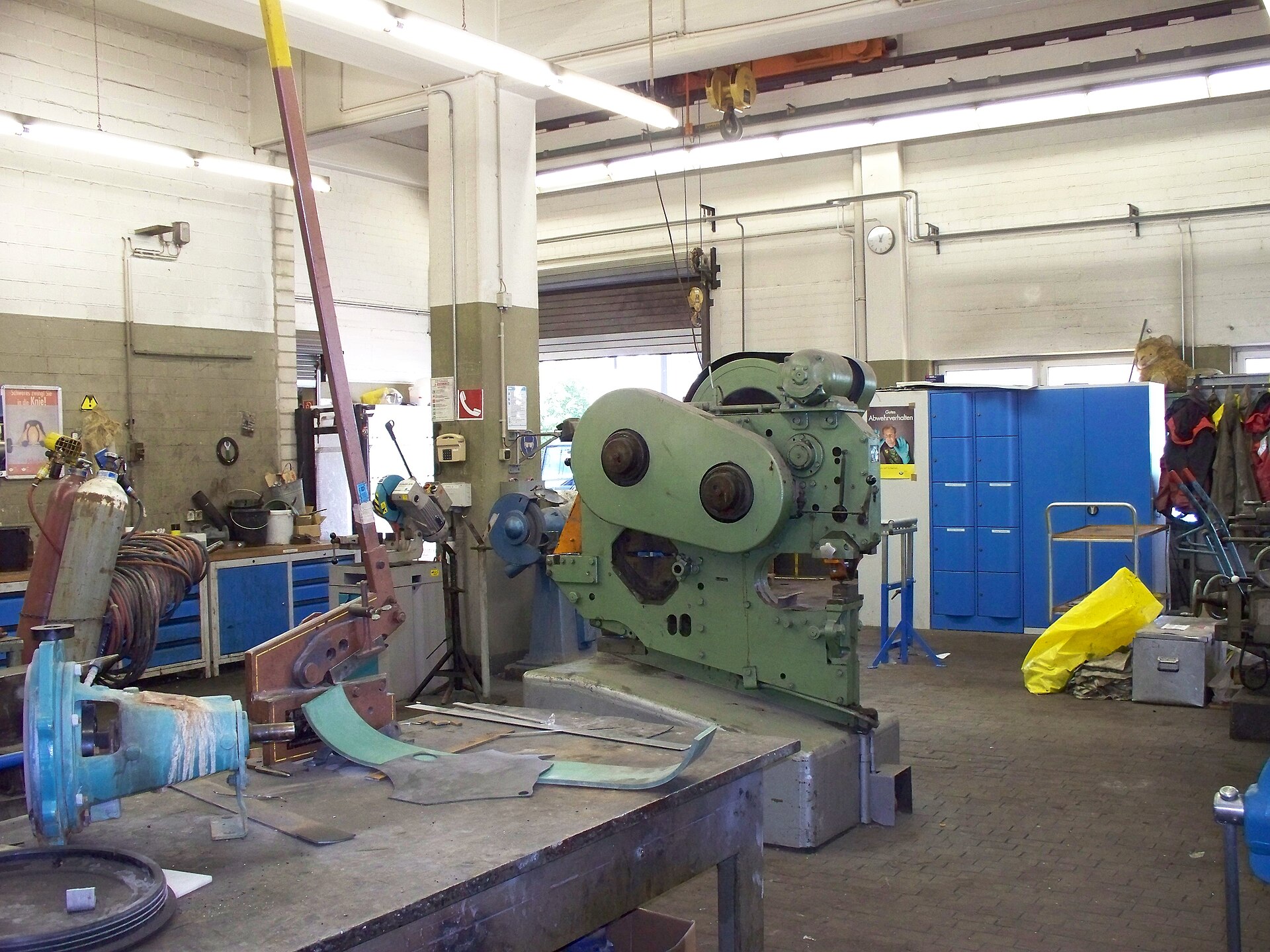
Foto: EWR150E / Wikimedia Commons, CC0 (gemeinfrei)
Small and mid-sized enterprises are the backbone of the German economy; by the definition of the IfM Bonn, more than 99 percent of all German firms belong to the Mittelstand. Since 2022 their environment has deteriorated noticeably. This stocktake draws on official data and large business surveys.
Rising insolvencies
After the pandemic years, when aid programmes and a temporarily suspended filing obligation kept bankruptcies low, corporate insolvencies rose markedly. Destatis reported around 17,800 corporate insolvency filings for 2023, up just over 22 percent on the previous year. In 2024 the number rose again by more than 20 percent to around 21,800 – above the pre-crisis level of 2019, though well below the peaks of the early 2000s.
Causes
Economists cite a combination of higher energy and material costs, higher interest rates, weak demand and the end of pandemic support. Construction, retail, hospitality and services were hit particularly hard.
Skills shortages as a constant
At the same time many firms are desperate for staff. The Federal Employment Agency's bottleneck analysis lists numerous occupations where vacancies are hard to fill, from care to crafts to IT. The KfW SME Panel and DIHK surveys have for years named skills shortages among the biggest business risks.
Succession and demographics
KfW Research points out that a growing share of Mittelstand owners is reaching retirement age, many without a successor. Where handovers fail, even healthy firms may close.
Red tape and policy
In DIHK surveys companies regularly complain about reporting and documentation burdens. Policymakers responded with the Growth Opportunities Act, in force since March 2024 with tax relief such as better depreciation, and with bureaucracy-reduction acts. Business associations often consider these steps insufficient.
Where opportunities lie
Despite the burdens, many firms invest in digitalisation and energy efficiency to cut costs and gain independence. Infrastructure and defence programmes may bring new orders, especially to suppliers and construction trades.
Assessment
The Mittelstand faces cyclical and structural challenges at once. Insolvency numbers are a warning sign, not proof of broad decline. Much will depend on whether costs, red tape and skills supply improve noticeably in the coming years. Underlying data are in the linked sources.