Policy rates and lending: the key questions answered
Explainer: Higher policy rates make credit more expensive and dampen investment and demand.
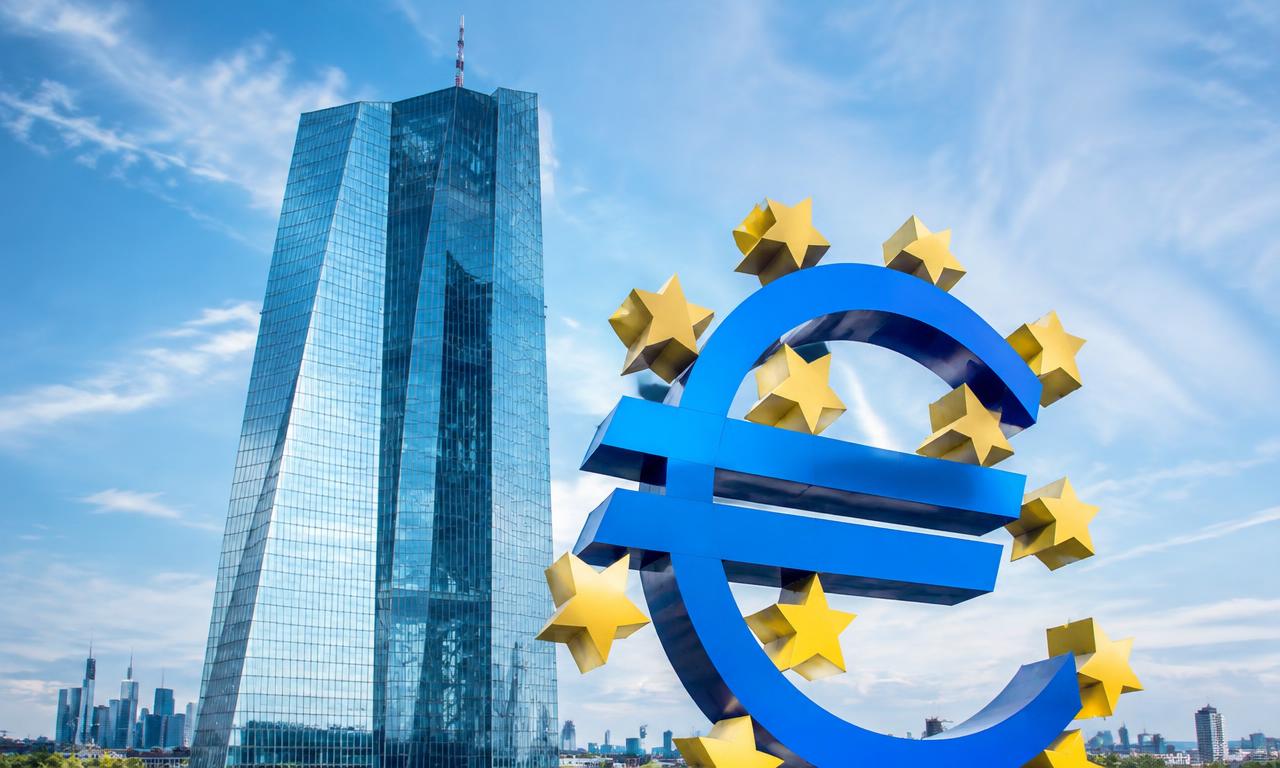
Higher policy rates make credit more expensive and dampen investment and demand.
Anyone looking into “Policy rates and lending” quickly encounters a wealth of figures and opinions. For a sober assessment it pays to go to primary sources: official statistics, publications from the responsible authorities and companies' own reports.
The key is to separate short-term swings from structural developments. Individual monthly readings can be distorted by one-off effects; trends over several quarters are more telling.
Several forces are at work in “Policy rates and lending”: the interest rate environment, domestic and foreign demand, regulation and, not least, market participants' expectations. None of these can be viewed in isolation.
Risks include unexpected political decisions, supply chain disruptions and abrupt shifts in financial market sentiment. Opportunities arise where companies respond early to changing conditions.