The great rate reversal: how the ECB and the Fed tamed inflation – a review
From negative rates to four percent and back: the monetary U-turn since 2022, step by step, with data from primary sources.
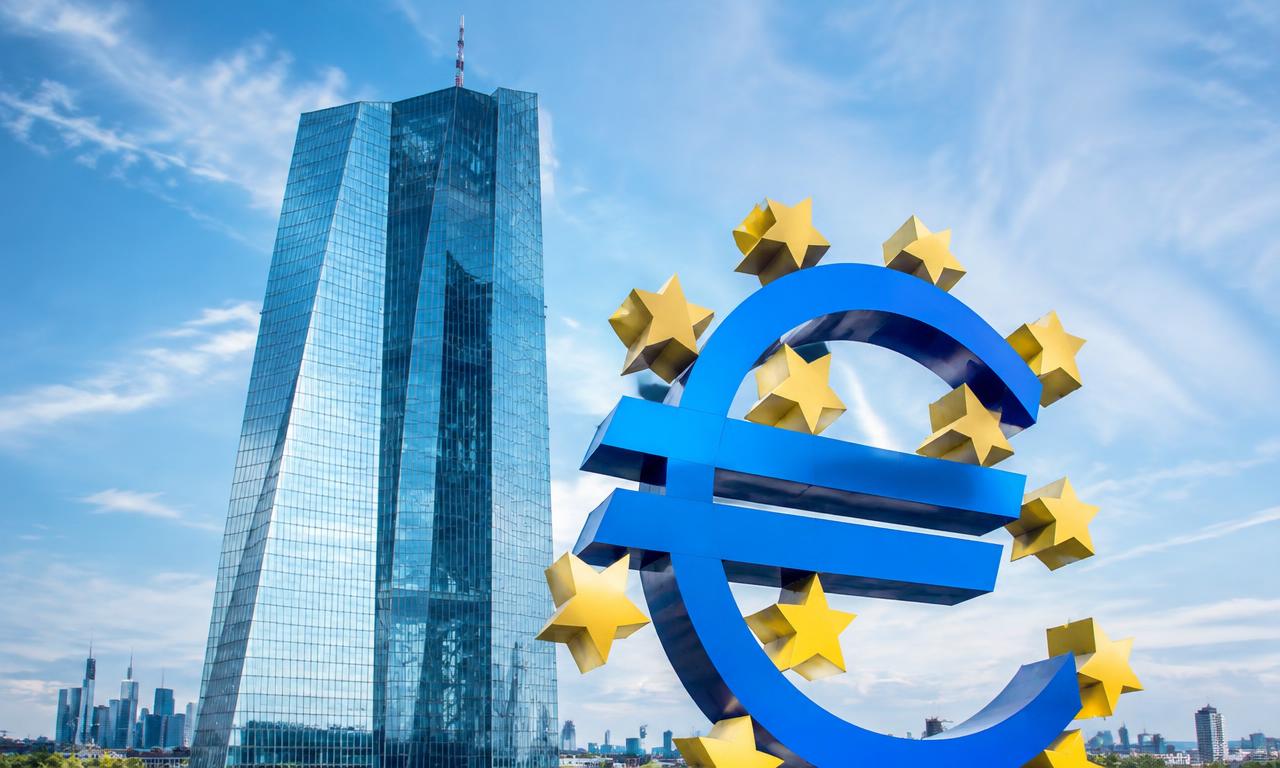
Few economic developments have hit companies, savers and governments as hard in recent years as the turn in interest rates. After almost a decade of ultra-loose policy, the European Central Bank (ECB) and the US Federal Reserve raised rates at a pace not seen in decades. This review traces the stages using official decisions.
Starting point: record inflation
Euro area inflation, measured by the harmonised index of consumer prices (HICP), rose to 10.6 percent in October 2022 – the highest since the single currency was introduced, according to Eurostat. Energy and food were the main drivers after Russia's attack on Ukraine, alongside post-pandemic catch-up effects and disrupted supply chains.
The Fed moves first
The Federal Reserve began hiking in March 2022, followed by several 75-basis-point moves. In July 2023 the federal funds target range reached 5.25 to 5.50 percent and stayed there for more than a year. In September 2024 the Fed cut for the first time, by 50 basis points; by December 2024 the range stood at 4.25 to 4.50 percent.
The ECB ends negative rates
The ECB raised rates in July 2022 for the first time in eleven years, ending the era of negative deposit rates that began in 2014. In September 2023 the deposit facility rate – the rate that steers money markets – peaked at 4.00 percent after ten consecutive hikes.
In June 2024 the ECB started cutting. By June 2025 it had lowered the deposit rate step by step to 2.00 percent, citing the marked decline of inflation towards its two-percent medium-term target.
Beyond rates: shrinking balance sheets
Both central banks also reduced their balance sheets. The ECB stopped reinvesting maturing bonds under its APP from July 2023 and scaled back PEPP reinvestments, which ended completely at the end of 2024. The Fed likewise let securities run off at set caps (quantitative tightening).
What it meant for companies
Credit became markedly more expensive. Deutsche Bundesbank monthly reports document the sharp rise in rates on new corporate loans since 2022 and noticeably weaker loan demand, especially for investment. Real estate and construction, where financing costs are a large part of the calculation, were hit hardest.
The Bank for International Settlements (BIS) noted in its annual reports that tightening was globally synchronised and unusually fast. That inflation fell without a deep recession in major economies was widely described as a 'soft landing' – with Germany, which saw two years of slightly shrinking output, an exception.
Assessment
The reversal shows how monetary policy works with long lags: effects on lending, investment and property prices sometimes appeared quarters after the decisions. For decision-makers, the lesson is not to build financing structures around permanently low rates. All figures can be checked in the primary sources linked below.